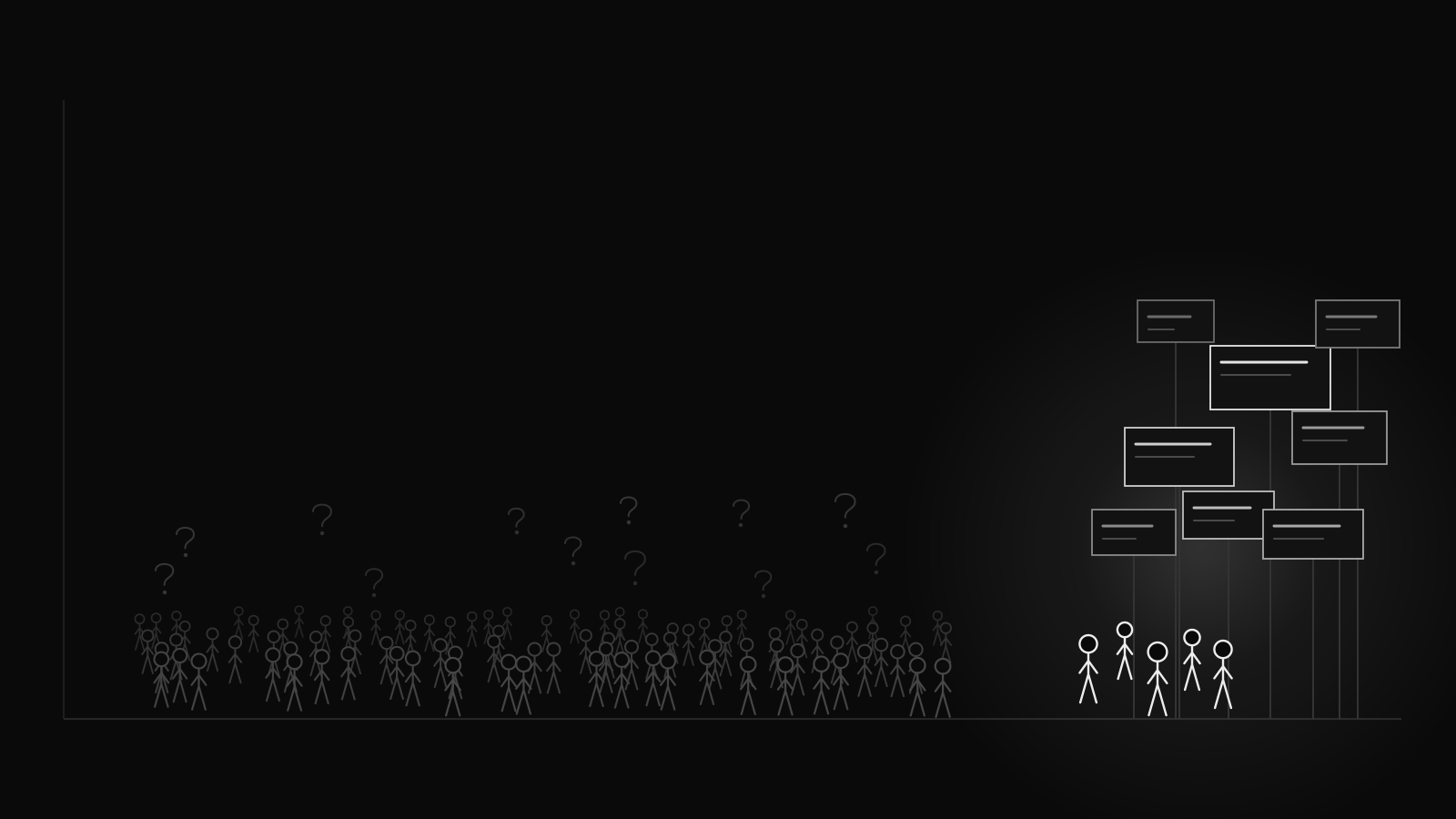
A buyer can ask an AI assistant for a shortlist before they reach your website. The answer may frame the problem, compare approaches, or suggest companies to investigate.
That gives us another place to ask a familiar marketing question: is our expertise being represented clearly?
Generative engine optimisation, or GEO, is work to make that expertise easier to find, understand, and cite in AI-generated answers. I start with the same things a thoughtful buyer needs: a clear explanation, useful detail, and evidence they can check.
The GEO research paper explores ways to improve source visibility in generated answers using its own benchmark and evaluation methods. Results varied across domains. It is useful research context, not a forecast of what a change will achieve on your website or today’s search platforms.
How systems use information
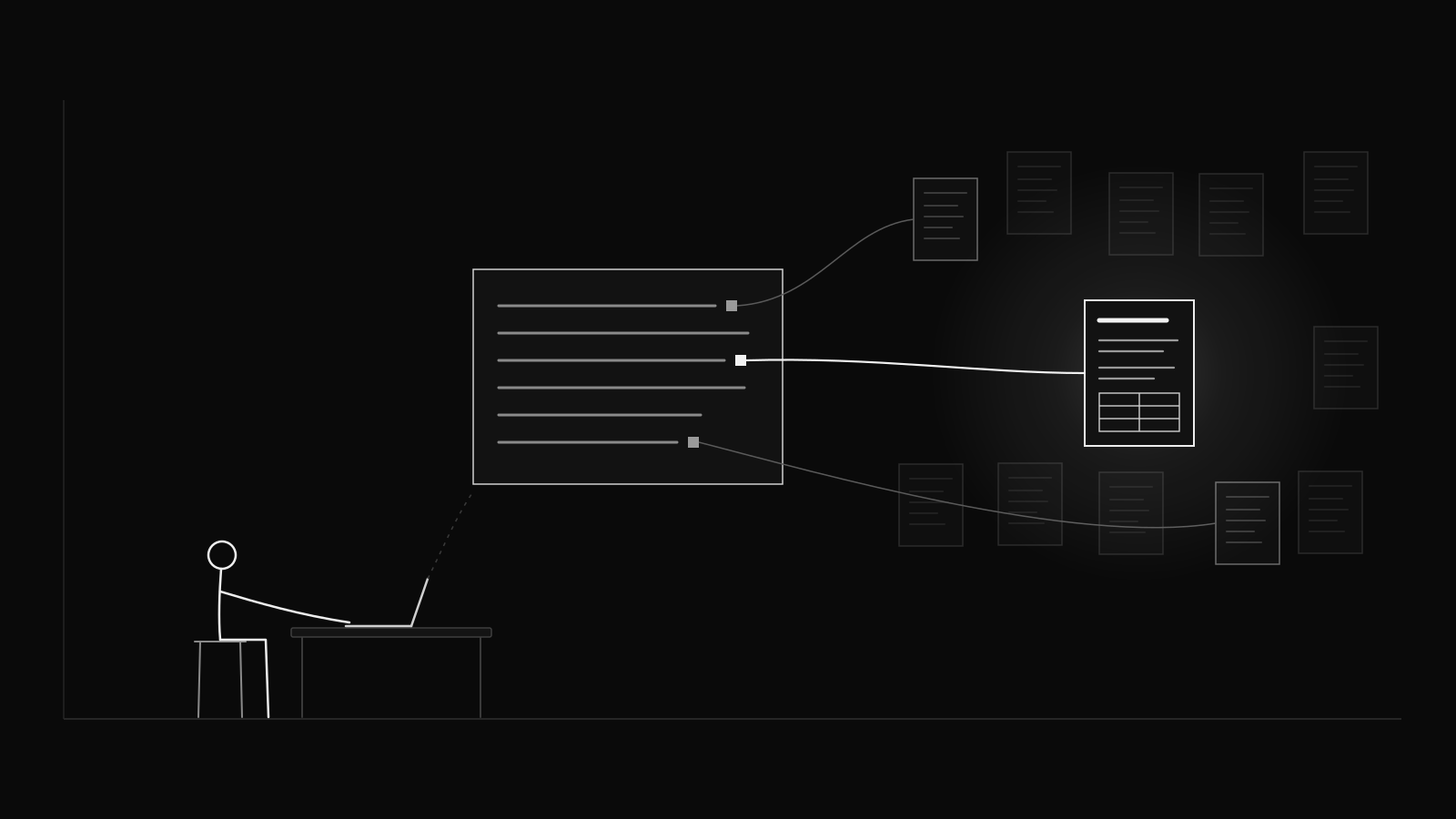
An answer can draw on information learned during training and, when search is used, documents retrieved for the question. The mix depends on the platform, mode, and prompt.
Those are different processes. Finding your company in one answer doesn’t prove it has become part of a model’s memory. Missing from one answer doesn’t prove your site is inaccessible.
I separate two checks: whether the website gives people and systems useful material to work with, and what selected AI platforms say when we ask specific questions. One helps us improve the site. The other gives us an observation to track.
Your website as a reference point
Your website still needs to help people decide whether you’re right for them. It can also give search systems a clear reference for your work.
Start with the questions a buyer would ask. What do you do? Who is it useful for? What happens during an engagement? What evidence supports your claims?
A direct answer near the top of a page helps a reader orient themselves. Descriptive headings, short paragraphs, and useful tables make the detail easier to follow. These are worthwhile improvements even when they don’t lead to an AI citation.
The files behind the pages
Three files often come up in GEO discussions. They have different jobs.
robots.txt communicates crawler rules. Review the rules for the specific crawlers you care about, and distinguish search access from training permissions. Blocking a training crawler does not, by itself, establish that your pages are excluded from AI search.
sitemap.xml helps search engines discover the URLs you want them to consider. Discovery isn’t a guarantee of indexing or citation.
llms.txt is an optional content guide for tools that choose to use it. I publish one as a concise index, and keep its descriptions aligned with the pages it links to. It doesn’t replace those pages or control access.
Google’s guidance on AI features says the usual SEO foundations apply. No special AI file or schema type is required. For Google, access and indexing checks deserve attention before experimenting with an optional guide.
Evidence that helps someone check a claim
A specific claim is more useful when the reader can see where it came from. A number on its own can create as much uncertainty as a vague promise.
Here’s a hypothetical example:
Before: “Our software helps teams work faster.”
After: “In our Q3 2025 pilot with 12 support teams, median time to first response fell from 50 minutes to 39 minutes.”
The second version still needs a source, a method, and any relevant limitations. It gives someone a claim they can investigate. Don’t borrow the example’s numbers; use evidence from your own work.
The same applies to case studies. State the period, define the metric, and explain your role. If a source report is unavailable, say so. Making a claim easier to quote shouldn’t mean stripping away the context that makes it fair.
SEO and GEO share foundations
I don’t treat GEO as a reason to discard SEO. The useful distinction is between the questions we’re checking.
| Website readiness question | AI observation question |
|---|---|
| Can search crawlers access the page? | Which sources were cited in this answer? |
| Does the page answer the buyer’s question? | Was the company described accurately? |
| Are the author and supporting evidence clear? | Which claims appeared, and with what context? |
| Does the markup match the visible content? | Does the result recur across the recorded sample? |
An audit can answer the left-hand questions from website evidence. The right-hand questions need actual responses, recorded separately.
Structure and authorship
Structured data should describe the content people can see: the person, organisation, service, or article on the page. Keep identities consistent, and update markup when the offer changes.
A useful question-and-answer section can help readers whether or not it has FAQ markup. I wouldn’t add that markup on the assumption that it earns an AI citation. Google doesn’t require a special schema type for its AI features.
Named authorship also helps people understand whose experience they’re reading. Link to relevant experience and explain how claims were checked. The name alone isn’t proof of expertise.
Evidence beyond your website
Relevant independent sources give someone another way to check your work. That might be an industry publication, a client reference, a professional profile, or research you’ve contributed to.
Look for accuracy and relevance. Correct an outdated description where you can. A mention doesn’t prove that a model has learned about you, and its absence doesn’t prove you’re invisible.
Measuring what happens
Choose a small set of questions your buyers ask. For each check, record the platform and mode, date, language, prompt, full response, and cited URLs. Note whether your company appears and whether the description is accurate.
Repeat a comparable sample before drawing conclusions. Answers can vary, and a changed result may reflect a platform change rather than your website edits. Report the sample size alongside any inclusion rate.
Referral traffic and enquiries add useful context. Judge their quality from your own data; an AI referral isn’t automatically a better lead.
Where to start
- Check website readiness. The open-source GEO Audit tool reviews five areas: citability, independent authority, content quality, search access, and structured data. It produces evidence-backed findings and an action plan. It does not automatically collect live AI answers.
- Record AI answers separately. Use a small, repeatable sample of buyer questions. Save the responses and citations before claiming a change in visibility.
- Improve one important page. Give a direct answer, explain the offer, and support a material claim with a source and context.
- Check access and consistency. Review crawler rules, indexing signals, and the sitemap. If you publish llms.txt, keep its summaries accurate.
You can control how clearly you explain your work and how carefully you support it. You can’t guarantee that an AI platform will include it.
If you’d like help deciding where to begin, discuss an AI search readiness review with me. We’ll agree what needs checking before starting.
Common questions
Questions this note answers
What is Generative Engine Optimisation (GEO)?
Generative engine optimisation (GEO) is work to make your expertise easier to find, understand, and cite in AI-generated answers. It overlaps with SEO: useful content, accessible pages, clear authorship, and evidence people can check. These improvements do not guarantee that a platform will mention or recommend you.
How do AI systems decide which sources to include in generated answers?
An answer can draw on information learned during training and, when search is used, sources retrieved for the question. The mix depends on the platform, mode, and prompt. Clear, well-supported content gives a system useful material to work with, but a website audit cannot establish why a particular answer included or omitted a source. That needs separately recorded prompts, responses, and citations.
What is llms.txt and why does it matter?
llms.txt is an optional guide to a website’s content for tools that choose to read it. It is not an access-control file or a requirement for inclusion in Google’s AI features. Keep it accurate if you publish one. Check robots.txt, indexing signals, and your sitemap separately; crawler rules should reflect your choices about search access and training.
How is GEO different from traditional SEO?
GEO adds questions about how AI-generated answers represent and cite your expertise. It shares SEO foundations such as accessible pages, helpful content, and accurate structured data. A readiness audit checks those foundations. Measuring AI visibility requires a separate sample of actual answers, with dates, platform details, prompts, and citations recorded.
How do you measure whether your GEO efforts are working?
Choose questions your buyers ask and record the platform, mode, date, language, prompt, response, and cited URLs. Repeat the same sample and compare how often and how accurately your company appears. Answers can vary between runs, so report the sample size and limitations. Referral traffic and enquiries provide additional context. A readiness score alone is not a measure of AI visibility.
Noticed a typo, technical nuance, or want to suggest an improvement?
Send feedback